Ever wondered if you can use your EBT card to buy those yummy, ready-to-eat meals from the hot food section? It’s a pretty common question, and the answer isn’t always straightforward. EBT (Electronic Benefit Transfer) cards, also known as food stamps, are meant to help people buy groceries. But, the rules about what you can and can’t buy with them get a little tricky, especially when it comes to hot, prepared food. Let’s dive in and clear up the confusion about whether you can buy hot box food with EBT.
What EBT Covers: The Basics
So, what exactly *is* covered by EBT? Generally, EBT cards are designed for buying food items. Think groceries like fruits, vegetables, meat, dairy, and bread. They’re meant to help families and individuals afford the basics they need to prepare meals at home. The focus is on providing nutritious ingredients that you cook yourself. There are a few exceptions, but this is the main idea.
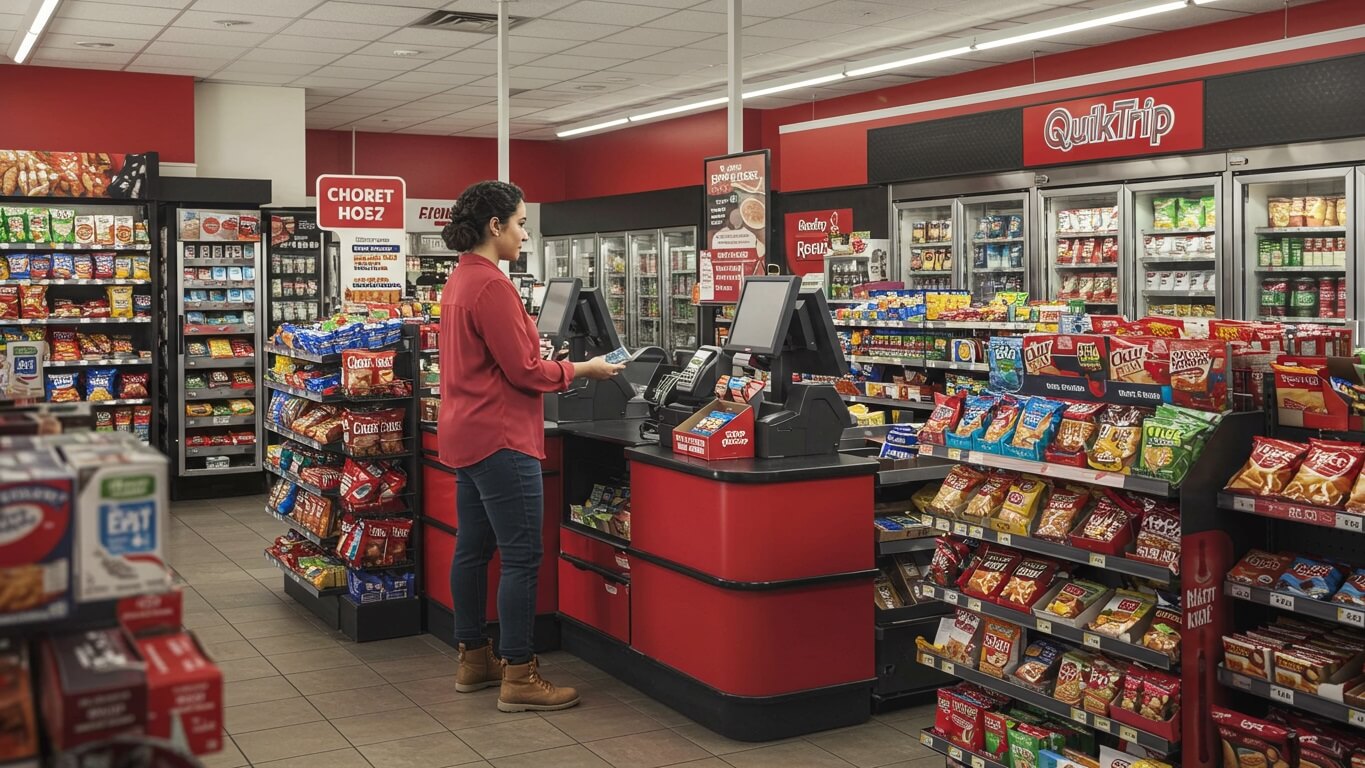
There are certain foods you can always get with your EBT card. Here’s a list of the main ones:
- Fruits and Vegetables: Fresh, frozen, and canned.
- Meat, Poultry, and Fish: Raw or frozen.
- Dairy Products: Milk, cheese, yogurt, etc.
- Breads and Cereals: Loaves, bagels, and boxed cereals.
- Non-alcoholic beverages: Water, juices.
So, when it comes to things you can buy, the focus is usually on items to cook at home. That leads to questions about whether hot foods fit into that category.
Keep in mind that rules may vary slightly depending on the state, so it’s always a good idea to check your local guidelines for the most accurate information.
Can You Buy Hot Box Food With EBT? The Direct Answer
Let’s get straight to the point: You *cannot* generally buy hot food items with EBT. The purpose of the program is to provide assistance with groceries, which are ingredients that can be cooked at home. Because of this, items already prepared and ready to eat usually aren’t covered.
Exceptions to the Rule: Where Hot Food *Is* Allowed
While the general rule is “no,” there are some exceptions to the rule. These exceptions usually involve specific programs or locations. For instance, in some states, there might be a special program that allows EBT users to purchase prepared meals at certain restaurants or food vendors. These programs are often targeted at people who may not have access to cooking facilities or are experiencing homelessness. The details of how the exceptions work depend on where you live.
One common exception allows EBT users to purchase hot meals in specific areas. These are usually food vendors who have been officially authorized. To know if you can buy from the business, check for signs or ask a store employee. This will let you know if they accept EBT for hot food.
Also, natural disaster relief programs may offer hot meals paid for by EBT. During disasters, it can be difficult to cook and maintain food safety, and this provides an important service to the community.
Keep in mind that these are exceptions, and you need to be sure about what’s covered in your state or situation.
The Restaurant Meals Program (RMP)
The Restaurant Meals Program (RMP) is a special program that allows certain EBT recipients to use their benefits to purchase prepared meals at participating restaurants. The RMP is not available in all states. This program is beneficial for people who might not have a way to cook their own food or may not have a place to store it. It helps ensure access to nutritious meals.
To participate in the RMP, the customer generally needs to meet certain requirements, such as being elderly, disabled, or homeless. It’s important to realize that this isn’t for everyone.
Here’s how the Restaurant Meals Program usually works:
- Eligibility: You must meet the requirements of your state.
- Participating Restaurants: Not all restaurants take part.
- Meal Limitations: There may be limits on how much you can spend each day or month.
To see if your state has an RMP, contact your local Department of Social Services or check online.
The Role of SNAP Rules
SNAP (Supplemental Nutrition Assistance Program) is the federal program that provides EBT benefits. SNAP rules are complex, but there are some basic things you should understand to decide if you can buy hot box food with EBT. The main idea is to help people buy food that they prepare at home. The program is not designed to cover prepared meals, generally speaking.
The rules are managed by the USDA (United States Department of Agriculture). SNAP rules can change. So, what is allowed in one state might not be allowed in another state. It’s a good idea to check the USDA website or your local guidelines for the most current information.
It’s important to note that SNAP rules are designed to make food more accessible to low-income individuals and families. However, this also means that there are many rules and restrictions. Staying informed about SNAP rules can help EBT users know what they can and can’t buy.
Here’s a table that explains the general rules about food that you can purchase:
| Food Type | EBT Coverage |
|---|---|
| Raw Ingredients | Yes |
| Hot, Prepared Foods | Usually No (exceptions exist) |
| Cold Prepared Foods | Sometimes Yes (e.g. deli salads) |
Where to Find More Information
The rules surrounding EBT and hot food can be complicated, and details can change. That’s why it’s important to find reliable sources of information. Your local Department of Social Services is the best place to start. They can provide you with the most accurate and up-to-date information about EBT policies in your area. Their staff will also be able to answer specific questions you may have.
Another place to learn is online. The USDA website has information about SNAP. You may also find information on your state government’s website. Search for the words “EBT” or “SNAP” plus your state’s name to find local information.
Be wary of information you find on social media. While social media can be a good way to connect with others, the information isn’t always accurate. Stick with government websites, or your local Department of Social Services, for the most reliable information.
It is always a good idea to stay informed on the rules, as well as any changes. The local Department of Social Services is there to help.
Tips for Stretching Your EBT Benefits
Since hot prepared foods are usually off-limits, it’s good to learn some tips to stretch your EBT benefits. Planning your meals can make a big difference. Figure out what you’ll eat for the week, and make a list before you go to the store. That way, you can buy only what you need and avoid impulse purchases.
Also, try to focus on purchasing foods that are lower in cost but still nutritious. Fruits and vegetables that are in season often cost less. Buying frozen produce can be a good choice too. Frozen foods are just as nutritious as fresh, and you don’t have to worry about spoilage. Also, you can buy certain ingredients in bulk to save money.
Here is a list of foods that offer good value for your EBT:
- Dried Beans and Lentils: Very inexpensive and nutritious.
- Eggs: A great source of protein.
- Oats: Use for breakfast or baking.
- Rice: A good base for meals.
Lastly, check the ads for sales and coupons. Many stores accept coupons and can help you save money. Make sure to compare prices at different stores too.
The Bottom Line: EBT and Hot Food
In conclusion, while there are exceptions, you generally cannot use your EBT card to purchase hot box food. EBT is designed primarily for buying groceries that you cook and prepare yourself. Understanding the rules and exceptions of EBT, like the Restaurant Meals Program, can help you use your benefits effectively. By staying informed and planning meals, you can make your benefits stretch further and ensure you and your family have access to nutritious food.